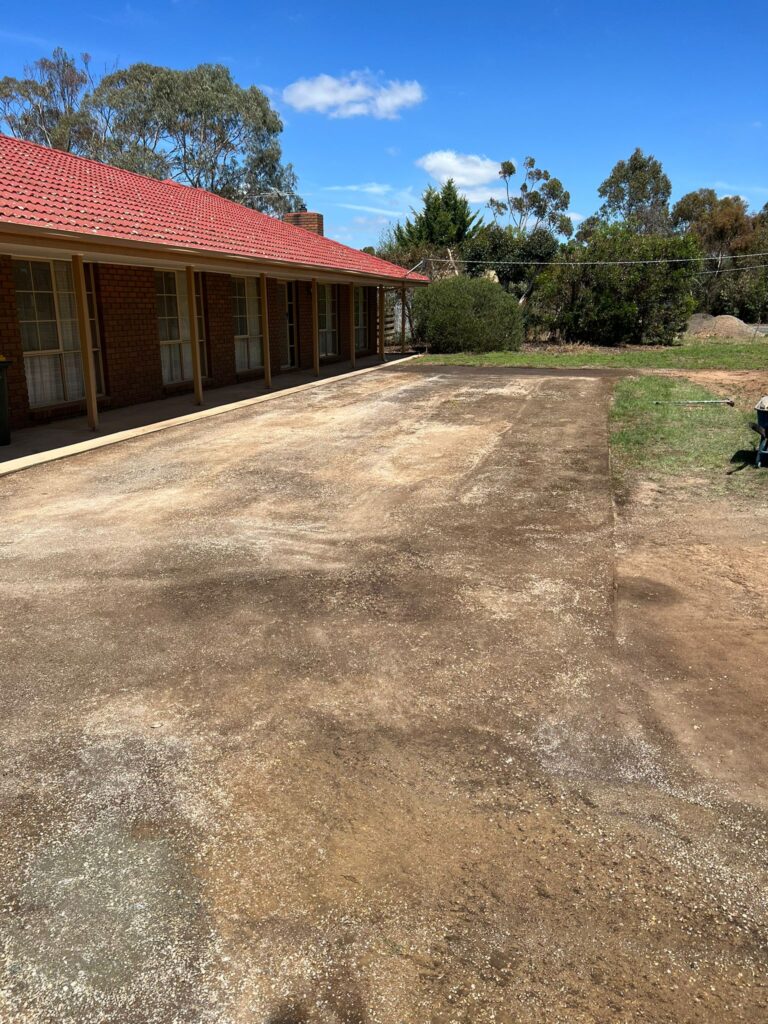
Cracks in asphalt and bitumen surfaces are often dismissed as minor issues, but they are one of the earliest warning signs of deeper structural problems. In Stirling, where road and driveway surfaces are exposed to regular traffic and changing environmental conditions, untreated cracks can deteriorate rapidly and turn into full potholes in a relatively short time.
At Stirling Road Tech SA, crack management is seen as a critical part of surface preservation rather than a cosmetic concern.
Cracks Are an Entry Point, Not the Problem Itself
A crack is not just a surface flaw. It is an opening that allows air, water, and debris to enter the pavement structure. Once the surface seal is broken, the layers beneath are exposed to conditions they are not designed to handle.
Even small cracks can:
- Allow moisture to reach the base layers
- Reduce surface cohesion
- Concentrate stress under traffic
If left untreated, this process accelerates surface breakdown.
How Water Drives Rapid Deterioration
Water is the main catalyst that turns cracks into potholes. When moisture penetrates through untreated cracks, it softens the base and weakens its load-bearing capacity.
As vehicles pass over a weakened area:
- The asphalt flexes excessively
- Cracks widen and interconnect
- Pieces of surface material begin to break away
Over time, this leads to surface collapse and pothole formation.
Traffic Stress on Compromised Areas
Once a crack is present, traffic no longer spreads evenly across the surface. Instead, stress is concentrated around the damaged area.
Repeated vehicle loads cause:
- Progressive edge breakdown around cracks
- Dislodging of aggregate
- Loss of surface integrity
What starts as a narrow crack can quickly develop into a depression and then a pothole under continued use.
The Role of the Base Layer
The base layer provides the strength and stability of the pavement. Untreated cracks allow moisture and movement to reach this layer, undermining the entire structure.
When the base becomes compromised:
- Surface repairs become less effective
- Movement continues beneath the asphalt
- Failures reappear even after patching
Protecting the base is essential to preventing pothole development.
Why Early Crack Treatment Is So Effective
Crack treatment works best when carried out early, before structural damage begins. Sealing cracks prevents moisture ingress and restores the surface’s protective barrier.
Early intervention:
- Preserves base strength
- Slows the rate of surface deterioration
- Extends the overall lifespan of the pavement
This proactive approach reduces the likelihood of more severe failures later.
Reactive Repairs vs Preventative Maintenance
Pothole repairs are often reactive responses to visible damage, but they do not always address the original cause. Preventative crack management focuses on stopping problems before they escalate.
Preventative maintenance:
- Reduces repeat failures
- Maintains consistent surface performance
- Minimises disruption caused by sudden surface collapse
This approach delivers more reliable long-term outcomes.
Conclusion
Untreated cracks quickly become potholes because they allow water, air, and stress to weaken the pavement from the inside out. Once the base layer is affected, surface failure accelerates and repairs become more complex.
Stirling Road Tech SA provides professional asphalt and bitumen surfacing solutions focused on early intervention and long-term performance. For property owners and asset managers in Stirling, addressing cracks promptly is the most effective way to protect surfaces and prevent recurring pothole issues.
Call us on: 08 6727 9106
Click here to find out more about Stirling Road Tech SA
Click here to complete our contact form and see how we can help with your Asphalt and Bitumen Surfacing needs.