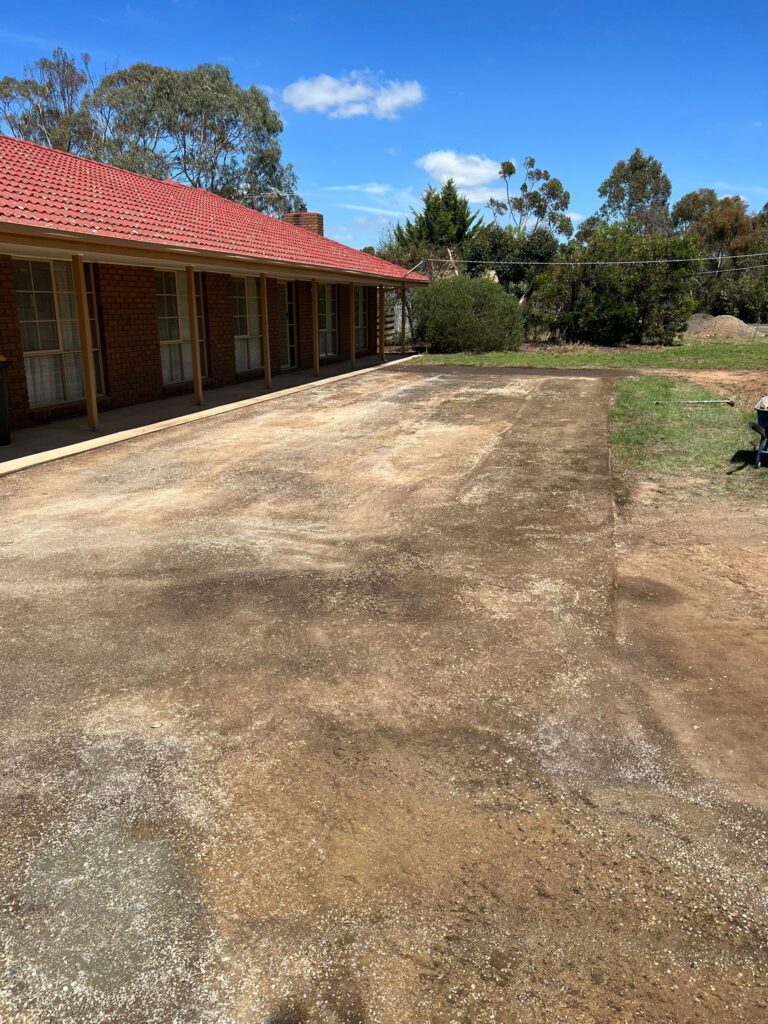
A well-maintained road does not necessarily need to be resurfaced or reconstructed every time signs of wear appear. In many cases, applying an appropriate bitumen treatment at the right stage can help preserve the existing surface, limit further deterioration and support a more effective long-term maintenance plan.
For property owners, businesses and site operators in Stirling, SA, understanding when to maintain an existing bitumen road is important. Minor cracking, surface wear and aggregate loss can gradually develop into more significant pavement problems if they are left untreated. A planned maintenance approach allows these issues to be identified and addressed before they affect larger sections of the road.
Bitumen treatments, including suitable Spray & Seal applications and resealing, can play an important role in protecting serviceable pavement. However, their effectiveness depends on the condition of the existing road, the type of deterioration present and the quality of preparation completed beforehand.
Why Are Bitumen Treatments Important for Road Maintenance?
Road surfaces experience gradual deterioration from traffic, weather exposure and repeated changes in pavement loading. Even a properly constructed road requires ongoing attention to maintain its condition.
A bitumen treatment can help protect a suitable existing pavement by renewing or maintaining its wearing surface. Depending on the treatment selected, it may improve surface waterproofing, restore aggregate cover and help limit further deterioration.
However, bitumen treatments are most effective when used as part of a planned maintenance strategy rather than waiting until extensive pavement failure has developed.
1. Bitumen Treatments Help Protect the Existing Pavement
One of the main purposes of a bitumen surface treatment is to help protect the supporting pavement from direct exposure to traffic and moisture.
Over time, an ageing road surface may begin losing some of its protective characteristics. Small defects can develop, allowing water to reach vulnerable areas underneath.
An appropriate bitumen treatment can help maintain a protective wearing surface and reduce the opportunity for water to penetrate through otherwise serviceable pavement.
This is particularly valuable when the existing road remains structurally sound but its surface is beginning to show signs of ageing.
2. Resealing Can Extend the Serviceability of a Road
A road does not need to be severely damaged before resealing is considered.
In fact, preventative maintenance is generally more effective when the pavement still provides stable support.
Where an existing bitumen seal has become weathered or worn, resealing may help restore surface protection without requiring the complete pavement to be rebuilt.
Suitable candidates for resealing may include roads showing:
- General surface ageing
- Minor aggregate loss
- A dry or weathered appearance
- Localised surface wear
- Limited defects that can be repaired beforehand
The existing pavement must still be assessed to determine whether resealing is appropriate.
A new bitumen treatment cannot compensate for extensive structural deterioration underneath.
3. Early Maintenance Can Help Prevent Water-Related Damage
Water is one of the most important factors affecting road performance.
Small cracks, damaged edges and deteriorated sections can allow rainfall to enter the pavement. Where supporting materials become saturated or weakened, repeated traffic loading may cause movement.
This can contribute to:
- Widening cracks
- Localised settlement
- Surface deformation
- Pothole formation
- Edge deterioration
- Failed pavement sections
Maintaining the protective surface through appropriate repairs and bitumen treatments can help reduce moisture entry.
However, surface treatment should be combined with effective drainage. If water continually collects on the road or enters through unstable areas, resealing alone may not resolve the problem.
4. A Maintenance Plan Helps Identify the Right Time for Treatment
Timing is an important part of road maintenance.
Applying a bitumen treatment too late may mean the pavement has already deteriorated beyond what a surface treatment can reasonably address.
A planned inspection programme helps identify changes before widespread failure develops.
Useful indicators to monitor include:
- Cracking
- Aggregate loss
- Surface wear
- Potholes
- Wheel rutting
- Standing water
- Edge damage
- Previous repairs beginning to deteriorate
These observations help establish whether the road requires localised repairs, resealing, resurfacing or more substantial rehabilitation.
The decision should be based on actual pavement condition rather than relying solely on the age of the surface.
5. Spray & Seal Can Form Part of a Planned Maintenance Strategy
Spray & Seal bitumen is a surfacing method that involves applying bituminous binder to a prepared pavement, followed by selected aggregate that is rolled into the binder.
For suitable existing sealed roads, a new sprayed seal may be used as part of a resealing programme.
The treatment can help renew the wearing surface and provide additional protection where the underlying pavement remains stable.
Before applying Spray & Seal, the contractor needs to consider:
- Existing pavement condition
- Surface cleanliness
- Cracking and previous repairs
- Aggregate condition
- Drainage
- Traffic requirements
- Appropriate binder and aggregate selection
Correct application is important because the binder and aggregate must work together to form a suitable finished surface.
6. Pothole Repairs Should Be Completed Before Resealing
Potholes are a sign that part of the pavement has already failed.
Applying a bitumen treatment over an existing pothole does not restore the missing pavement structure or correct unstable material underneath.
Damaged sections should therefore be assessed and repaired before resealing proceeds.
A suitable pothole repair may involve removing failed material, examining the underlying pavement, reinstating appropriate material and compacting the repaired section.
Once the road has been properly prepared, the bitumen treatment can be applied over a more consistent and stable surface.
This approach helps avoid covering defects that are likely to continue deteriorating.
7. Cracking Needs to Be Assessed Before Surface Treatment
Not all cracks indicate the same level of pavement deterioration.
Minor, relatively stable cracks may be suitable for treatment as part of road maintenance. More extensive cracking can indicate movement within the pavement structure.
Particular attention should be given to:
- Interconnected cracking
- Cracks around depressions
- Cracking associated with wheel rutting
- Repeated cracking through previous repairs
- Cracks accompanied by settlement
Where movement is occurring underneath the surface, a new bitumen seal may not prevent cracking from returning.
A professional assessment helps determine whether crack treatment is sufficient or whether deeper pavement repairs are necessary.
8. Surface Treatments Can Help Manage Aggregate Loss
Aggregate provides an important wearing component in sprayed bitumen seals.
As a road ages, some aggregate may become loose or displaced. This can gradually affect surface texture and expose more of the underlying binder.
Minor aggregate loss does not automatically mean the entire road requires reconstruction.
Where the pavement remains stable, resealing may provide a suitable way to renew the surface.
However, significant aggregate loss should be investigated to determine whether it is associated with general ageing, previous application problems, traffic stresses or deterioration of the supporting pavement.
The cause influences the most appropriate maintenance response.
9. Drainage Maintenance Supports the Effectiveness of Bitumen Treatments
A well-maintained surface and effective drainage should work together.
If water remains on a road for extended periods, existing defects may deteriorate more rapidly.
Low points, wheel ruts and damaged edges can also interfere with the intended movement of rainfall.
Before applying a bitumen treatment, it is useful to assess whether the road has:
- Areas of standing water
- Depressions
- Blocked or ineffective drainage paths
- Damaged edges
- Significant rutting
- Sections where water repeatedly enters the pavement
Correcting relevant drainage problems helps protect both the existing pavement and the new surface treatment.
10. Traffic Conditions Should Influence the Maintenance Plan
Different roads experience different types of loading.
A lightly travelled private access road may deteriorate differently from a road regularly used by heavier commercial vehicles.
Turning, braking and acceleration can also place additional stress on particular sections.
These differences should influence inspection and maintenance decisions.
Areas that may need closer attention include:
- Entrances
- Frequently travelled wheel paths
- Turning areas
- Sections carrying heavier vehicles
- Locations where vehicles regularly stop or accelerate
Understanding traffic patterns helps identify where deterioration is likely to develop and whether a particular bitumen treatment is appropriate.
How Does Preventative Maintenance Differ From Reactive Repairs?
Preventative maintenance focuses on preserving pavement that is still performing adequately.
Reactive maintenance addresses defects after they have developed.
Both approaches have a place in road management, but relying entirely on reactive repairs can allow general surface deterioration to progress unnoticed.
For example, repairing an individual pothole restores a failed section. Resealing an otherwise sound road may help maintain protection across a much larger area.
A balanced maintenance plan considers both.
Localised defects are repaired where necessary, while broader surface treatments are considered when the road’s overall condition indicates they would be beneficial.
Can Bitumen Treatment Reduce the Need for Frequent Repairs?
An appropriate bitumen treatment can help reduce certain forms of deterioration by maintaining the road’s protective wearing surface.
However, it cannot eliminate every cause of pavement damage.
If the road has an unstable base, poor drainage or inadequate support for the traffic it carries, these conditions may continue causing failures.
The benefit of planned treatment comes from preserving a serviceable pavement before surface deterioration develops into more extensive damage.
This is why professional assessment and preparation are essential.
When Is Bitumen Treatment Not Enough?
There are circumstances where a surface treatment is no longer the appropriate maintenance option.
If deterioration extends into the supporting pavement, applying additional binder and aggregate will not restore the structural capacity of failed material.
Warning signs include:
- Deep wheel rutting
- Extensive settlement
- Widespread interconnected cracking
- Numerous recurring potholes
- Soft pavement sections
- Major deformation
- Continual failure of previous repairs
These conditions may indicate that localised reconstruction, broader pavement rehabilitation or asphalt resurfacing needs to be considered.
Recognising these limitations is an important part of developing an effective maintenance plan.
What Should a Practical Road Maintenance Plan Include?
A useful road maintenance plan should be based on regular observation and the condition of the pavement.
For property owners and site operators in Stirling, a practical approach may include the following stages.
Regular Surface Inspections
Inspect the road for changes in cracking, surface wear, aggregate condition, rutting and pothole development.
Pay particular attention to areas where defects have previously occurred.
Drainage Assessment
Check whether rainfall is moving away from the road effectively.
Identify depressions, blocked drainage paths and areas where water repeatedly collects.
Early Localised Repairs
Address suitable defects before they develop into more extensive pavement failures.
This may include pothole repairs, treatment of appropriate cracks and correction of damaged sections.
Periodic Surface Condition Assessment
Have the road assessed to determine whether the existing bitumen surface remains suitable or whether resealing should be considered.
Appropriate Surface Treatment
Where the pavement remains structurally sound, a suitable bitumen treatment may help maintain the wearing surface and protect the existing construction.
Ongoing Monitoring
Continue inspecting the road after maintenance work to identify new defects and monitor how the pavement performs under normal traffic.
This approach supports more informed maintenance decisions rather than waiting until the road becomes extensively damaged.
Why Professional Assessment Matters Before Resealing
A road can appear worn without necessarily requiring reconstruction. Equally, a road with relatively limited visible damage may contain underlying pavement problems.
An experienced bitumen surfacing contractor can assess the relationship between visible deterioration and the supporting pavement.
Important considerations include:
- Surface condition
- Crack patterns
- Previous repairs
- Pavement stability
- Drainage
- Traffic loading
- Aggregate condition
- Areas of settlement or rutting
This helps determine whether a bitumen treatment will provide a suitable maintenance solution or whether repairs are required first.
The Importance of Proper Preparation
Even when a road is suitable for resealing, preparation should not be overlooked.
The existing surface needs to be assessed and made suitable for the proposed treatment.
Depending on the road’s condition, preparation may involve:
- Inspecting the existing pavement.
- Identifying damaged or unstable areas.
- Completing necessary pothole and pavement repairs.
- Treating appropriate cracks.
- Addressing relevant drainage problems.
- Cleaning and preparing the surface.
- Applying the specified bitumen treatment.
- Rolling and completing the aggregate application.
The precise process depends on the treatment and existing pavement condition.
Careful preparation helps ensure the new seal is applied to a suitable surface rather than over unresolved defects.
Conclusion
Bitumen treatments can play an important role in a long-term road maintenance plan by helping preserve suitable existing pavement, maintain surface protection and address general ageing before deterioration becomes more extensive.
Spray & Seal applications and resealing can be effective where the supporting pavement remains stable, but their success depends on appropriate timing, surface preparation and the condition of the road underneath. Potholes, significant cracks, drainage problems and unstable sections should be assessed and repaired before treatment.
A practical maintenance plan combines regular inspections, early repairs, drainage management and professional assessment to determine when a bitumen treatment is appropriate.
For property owners, businesses and site operators in Stirling, SA, Stirling Road Tech SA provides professional bitumen surfacing, resealing and pavement maintenance services. If your road is beginning to show signs of wear, contact our team to arrange an assessment and discuss the most suitable approach to maintaining its condition.
Call us on: 08 6727 9106
Click here to find out more about Stirling Road Tech SA
Click here to complete our contact form and see how we can help with your Asphalt and Bitumen Surfacing needs.